
Menu

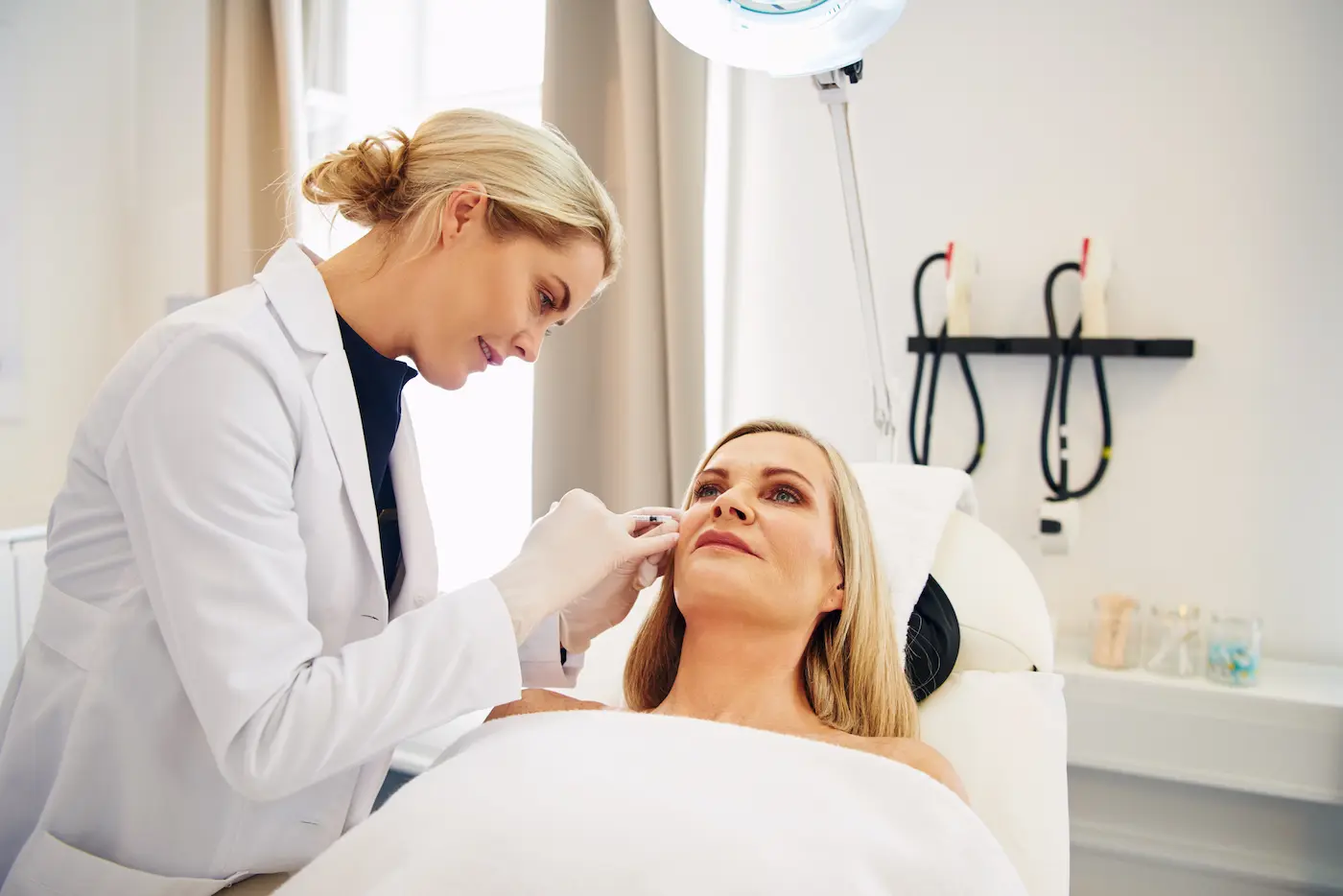
Skin serves as the body's largest protective organ and often reflects overall health. Changes in color, texture, or sensation may signal underlying issues that benefit from medical evaluation. Many people delay care because symptoms seem mild or temporary, yet early assessment often leads to better outcomes.
Dermatology focuses on diagnosing and managing conditions that affect skin, hair, and nails. Knowing when to seek professional care helps prevent progression and supports long-term skin health.
At RPC Integrative Family Medicine in Georgetown, OH, dermatology services focus on both prevention and early detection.
Moles and skin growths deserve attention when they change in size, shape, or color. New growths that appear suddenly or existing ones that evolve may require evaluation.
Warning signs include irregular borders, uneven coloration, rapid growth, itching, or bleeding. These changes do not always indicate serious conditions, yet professional assessment ensures clarity.
Routine skin checks support early identification of abnormal changes and provide peace of mind.
Rashes that last longer than a few weeks or recur frequently should not be ignored. Chronic redness, itching, scaling, or discomfort may indicate eczema, psoriasis, allergic reactions, or infections.
Over-the-counter treatments may mask symptoms without resolving the cause. Persistent irritation often benefits from targeted diagnosis and care.
Early treatment supports skin comfort and reduces the risk of secondary infection or scarring.
Acne affects both teens and adults and varies in severity. Breakouts that persist despite basic skincare may require medical attention.
Inflammatory acne cysts or widespread breakouts increase the risk of scarring. Adult acne often relates to hormonal or inflammatory factors that differ from adolescent acne.
Dermatology evaluation helps identify the cause and tailor treatment to skin type and age.
Ongoing itching without a visible rash may signal underlying skin or systemic conditions. Sensitivity that interferes with daily comfort also deserves evaluation.
Dry skin, allergies, nerve-related irritation, or inflammatory conditions may contribute. Identifying triggers helps reduce discomfort and prevent complications.
Professional guidance supports accurate diagnosis and relief.
Skin infections often appear as redness, swelling, warmth, or drainage. Cuts or sores that do not heal within a reasonable timeframe require attention.
Delayed healing may relate to circulation issues, immune response, or chronic irritation. Addressing infections early prevents spread and promotes recovery.
Medical evaluation ensures appropriate treatment and monitoring.
Hair thinning, hair loss, or scalp irritation often indicates more than cosmetic concerns. Inflammation, infections, or hormonal factors may play a role.
Sudden shedding, patchy hair loss, or scalp pain should prompt evaluation. Early care supports healthier scalp function and hair growth.
Dermatology services address both scalp health and hair concerns.
Nails reflect overall health. Changes in color, thickness, shape, or texture may indicate infection, trauma, or systemic conditions.
Fungal infections, thickening, or discoloration often require medical treatment. Nail separation or unusual ridging may also warrant assessment.
Professional evaluation helps identify causes and guide care.
Sun exposure contributes to premature aging and skin damage. Rough patches, discoloration, or scaly lesions may indicate sun-related changes.
Early detection helps manage damage and reduce the risk of more serious conditions. Regular skin exams support proactive care.
Protective strategies and monitoring support long-term skin health.
Children may develop rashes, birthmarks, or infections that require evaluation. Early assessment supports comfort and proper development.
Family dermatology care ensures consistent monitoring across life stages. Education helps families recognize when care is needed.
Integrative family practices support continuity and trust.
Preventive care plays an important role in dermatology. Routine exams help identify changes early and support long-term health.
Patients with a family history of skin conditions benefit from regular monitoring. Education empowers patients to perform self-checks between visits.
Prevention reduces risk and supports confidence.
Integrative care allows coordination between general health and skin-specific needs. Many skin conditions relate to overall wellness.
Collaboration supports comprehensive evaluation and personalized plans. Patients benefit from streamlined care.
This approach enhances outcomes and convenience.
RPC Integrative Family Medicine provides dermatology services focused on early detection, accurate diagnosis, and patient education. Care supports skin health for individuals and families.
Providers take time to understand concerns and develop personalized plans. Medical oversight ensures safe, effective treatment options.
If you notice changes in your skin, hair, or nails, or have concerns that do not resolve on their own professional evaluation may help.
Schedule an appointment with RPC Integrative Family Medicine in Georgetown, OH, to receive dermatology care designed to support long term skin health and confidence.
Stay updated with the latest blog posts and engage with our community.